Text
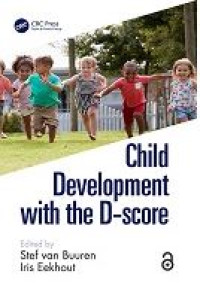
E-book Child Development with the D-score
Penilaian
0,0
dari 5
The first 1000 days refers to the time needed for a child to grow from conception to the second birthday. It is a time of rapid change. During this period, the architecture of the developing brain is very open to the influence of relationships and experiences (Shonkoff et al., 2016). Early experiences affect the nature and quality of the brain’s developing architecture by reinforcing some synapses and pruning others through lack of use.
The first 1000 days shape the brain’s architecture, but higher-order brain functions continue to develop into adolescence and early adulthood (Kolb et al., 2017). The classic nature versus nurture debate contrasts the viewpoints that variation in development is primarily due to either genetic or environmental differences. The current scientific consensus is that both genetic predisposition and ecological differences influence all traits (Rutter, 2007).
The environment in which a child develops (before and soon after birth) provides experiences that can modify gene activity (Caspi et al., 2010). Negative influences, such as exposure to stressful life circumstances or environmental toxins, may leave a chemical signature on the genes, thereby influencing how genes work in that individual. During the first 1000 days, infants are highly dependent on their caregivers to protect them from adversities and to help them regulate their physiology.
Ketersediaan
Informasi Detail
- Judul Seri
-
-
- No. Panggil
-
618.92 BLA c
- Penerbit
- London : Taylor & Francis., 2024
- Deskripsi Fisik
-
205 hlm
- Bahasa
-
English
- ISBN/ISSN
-
9781003216315
- Klasifikasi
-
618.92
- Tipe Isi
-
text
- Tipe Media
-
computer
- Tipe Pembawa
-
online resource
- Edisi
-
-
- Subjek
- Info Detail Spesifik
-
-
- Pernyataan Tanggungjawab
-
-
Versi lain/terkait
Tidak tersedia versi lain
Lampiran Berkas
Komentar
Anda harus masuk sebelum memberikan komentar
 Karya Umum
  Filsafat
  Agama
Agama  Ilmu-ilmu Sosial
  Bahasa
  Ilmu-ilmu Murni
  Ilmu-ilmu Terapan
  Kesenian, Hiburan, dan Olahraga
  Kesusastraan
  Geografi dan Sejarah